The true beauty of a concealed door lies not just in the door itself, but in how well it is integrated into the surrounding space. When designed and installed correctly, a concealed door becomes part of the architecture, delivering a clean, uninterrupted finish that defines modern luxury interiors.
At Denleigh, we understand that successful integration is what separates a good concealed door from a flawless one. This guide covers the key elements you need to consider to achieve a seamless result.
What Makes a Concealed Door Bespoke?
A bespoke concealed door is designed around your exact project requirements. This includes dimensions, finishes, hardware, and even architectural details such as panelling or arches.
Unlike off-the-shelf solutions, bespoke systems are tailored to complement the surrounding wall, ensuring a truly seamless result.
Flush Minimalist Finishes
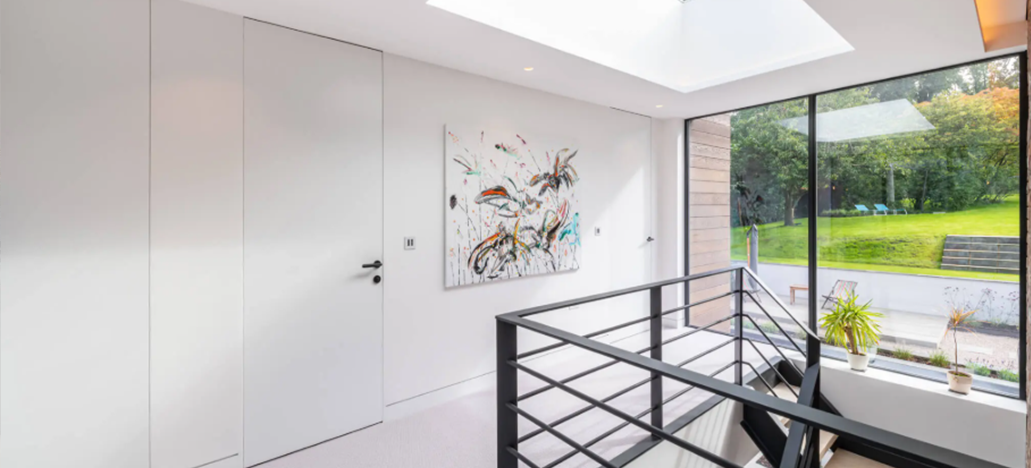
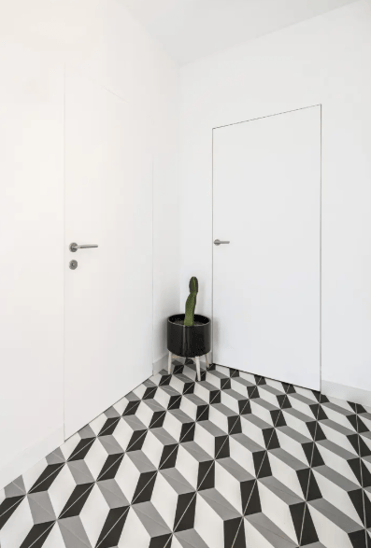
In most contemporary settings, concealed doors are finished with smooth, flush surfaces. This usually means painted plaster with no visible trim or architraves.
The goal is simple: create a continuous wall where the door disappears completely. When finished correctly, the door becomes almost undetectable, delivering a clean and modern look that works beautifully in luxury homes.
Heritage and Traditional Applications
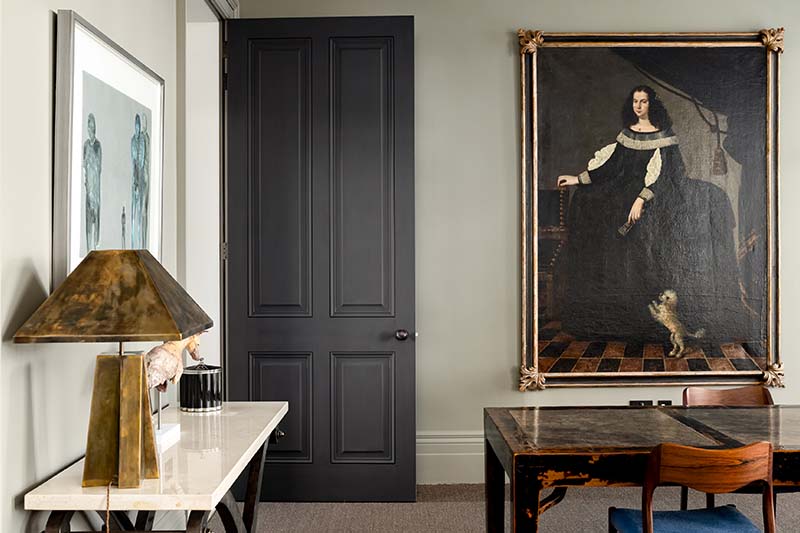
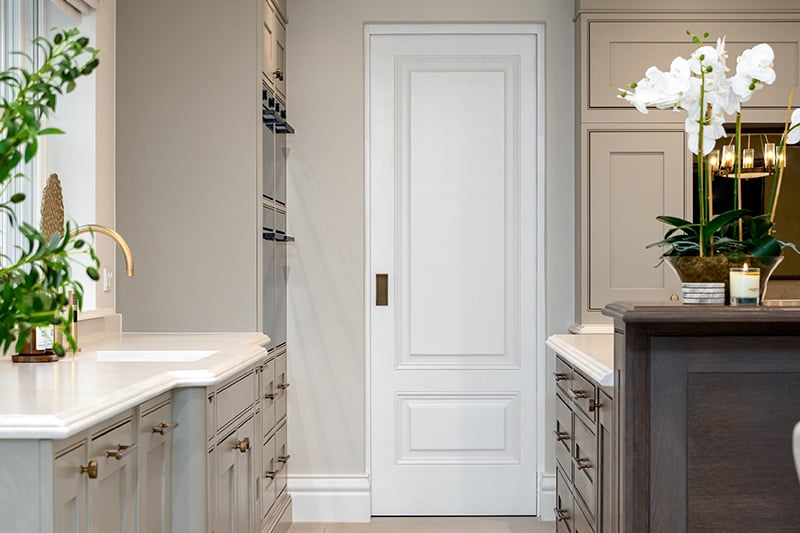
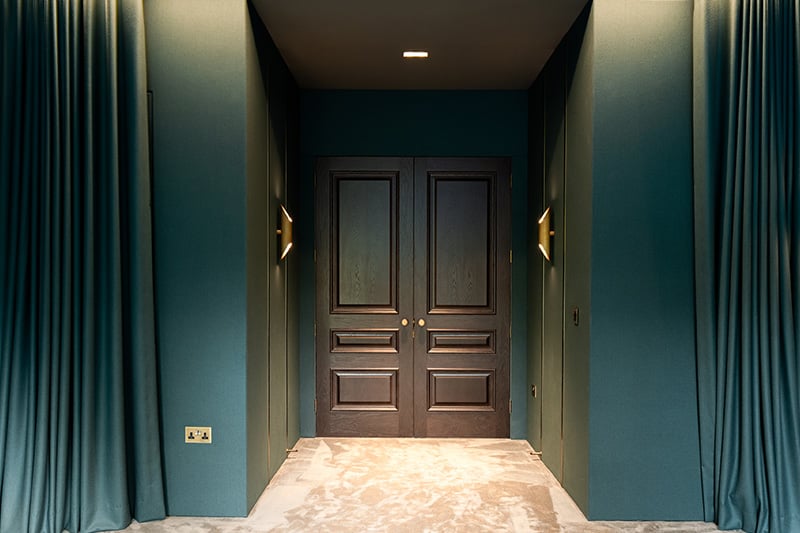
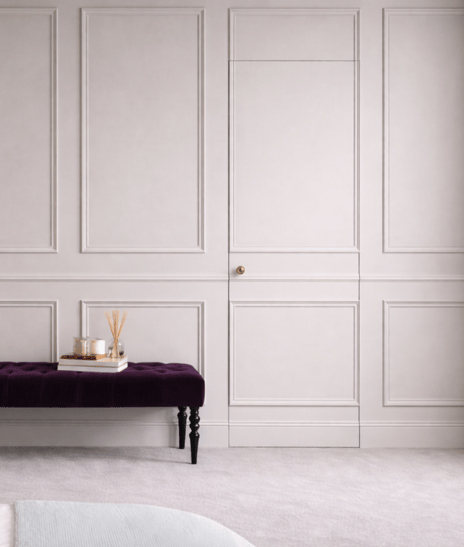
Concealed doors are not limited to modern interiors. For heritage or classic designs, bespoke concealed doors can be detailed to match traditional features, including:
- Decorative panelling
- Mouldings
- Period-style finishes
These elements can be applied directly to the concealed door, allowing it to blend perfectly with adjoining walls while maintaining the hidden functionality. This approach is ideal for listed properties or interiors where preserving character is essential.
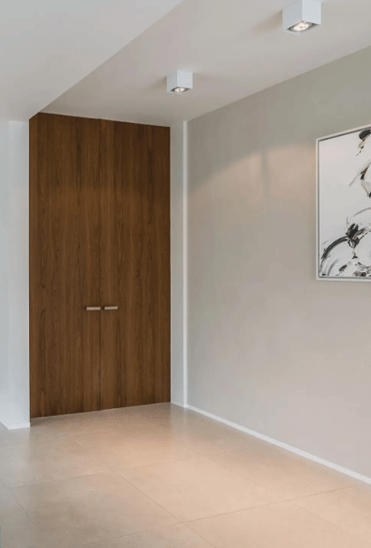
Seamless Matching Finishes
One of the key advantages of a bespoke concealed door is the ability to match finishes exactly to the surrounding wall.
Whether the wall is painted, panelled, or finished with specialist materials, the door can be treated in the same way. This ensures visual continuity and enhances the illusion of a hidden opening.
Arched Concealed Doors for Added Impact
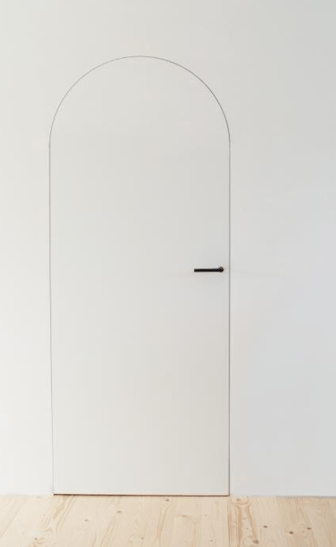
For projects that require something distinctive, arched concealed doors provide a unique design feature.
These doors combine the elegance of a classic arched opening with the clean integration of a concealed system. Key benefits include:
- A more refined and architectural appearance
- Compatibility with standard doorway installations
- Flexibility to apply specialist finishes to both the door and surrounding wall
Arched concealed doors are ideal for adding subtle character while maintaining a seamless look.
6 Steps to Specifying Bespoke Concealed Doors
Getting the specification right is essential to achieving a flawless result. Here are the key steps to consider:
1. Structural Type and Opening Sizes
Define the wall construction and exact opening dimensions early in the project. This ensures the concealed system is designed to fit perfectly within the structure.
2. Confirm Wall Finish
Decide on the final wall finish, whether that is painted plaster, metallic coatings, panelling, or another material. This will influence how the door is prepared and installed.
3. Door Finish
Choose how the door itself will be finished. Options include:
- Painted surfaces
- Applied mouldings
- Wallpaper or specialist coverings
The door should always complement the surrounding wall.
4. Fire Rating Requirements
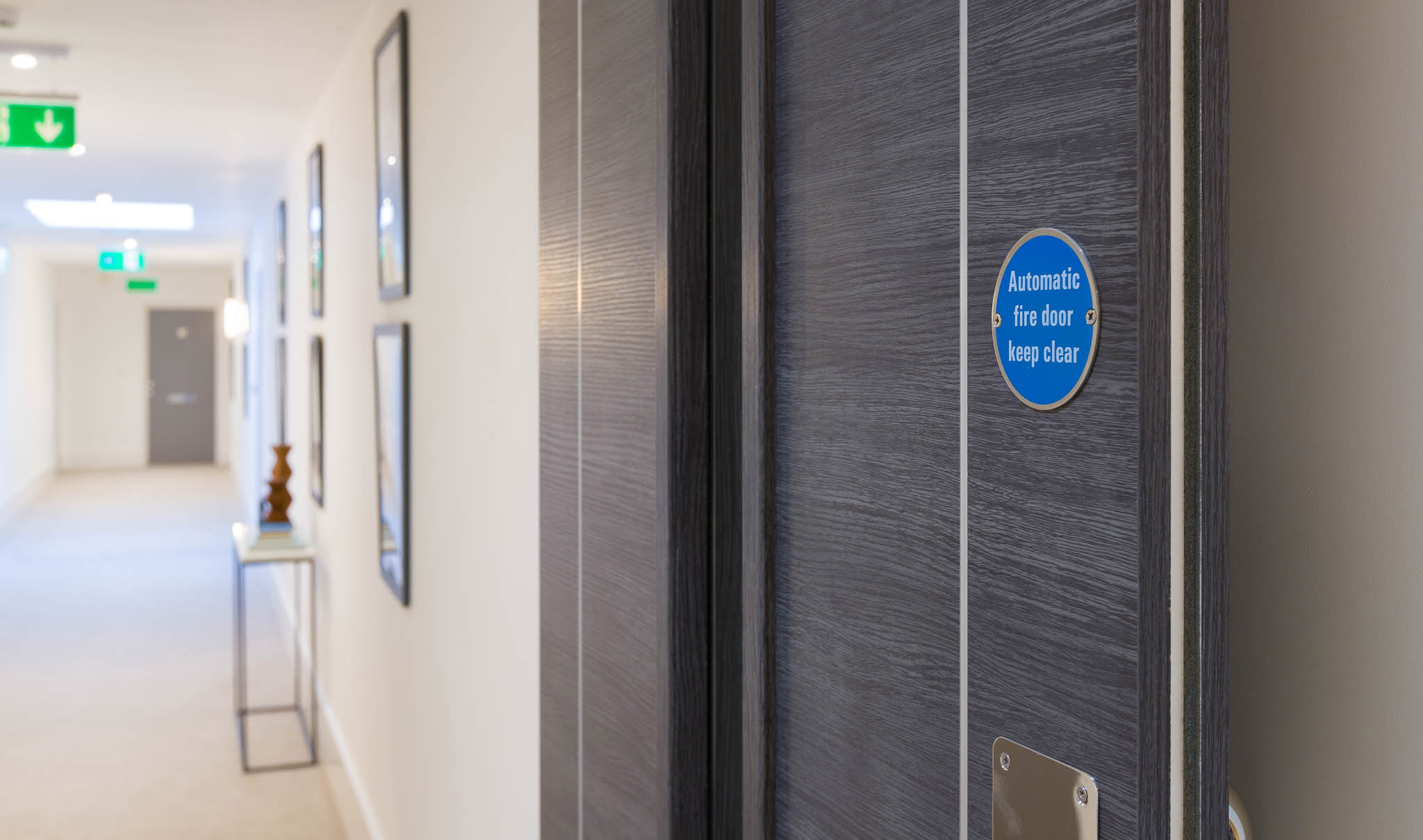
Determine whether a fire-rated door is required to meet building regulations or project specifications. This is particularly important in residential and commercial developments.
5. Handing and Opening Direction
Confirm whether the door opens into or out of the room, and the hinge side. This affects both installation and usability, so it must be finalised before manufacturing.
6. Ironmongery Specification
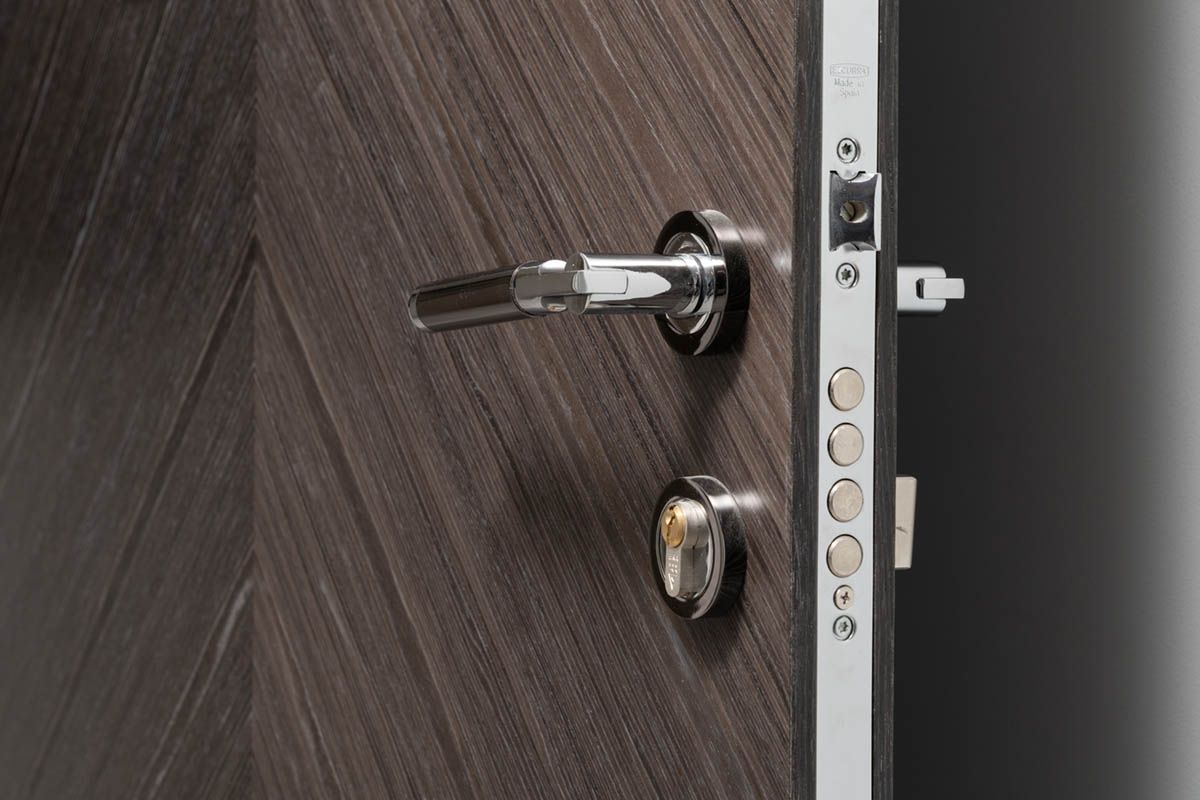
Select the appropriate hardware to complete the system. This includes:
- Hinges
- Locks or latches
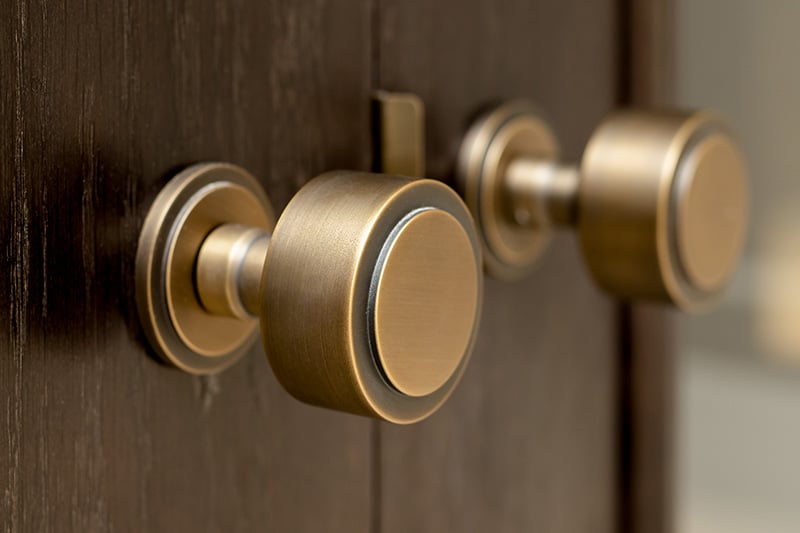
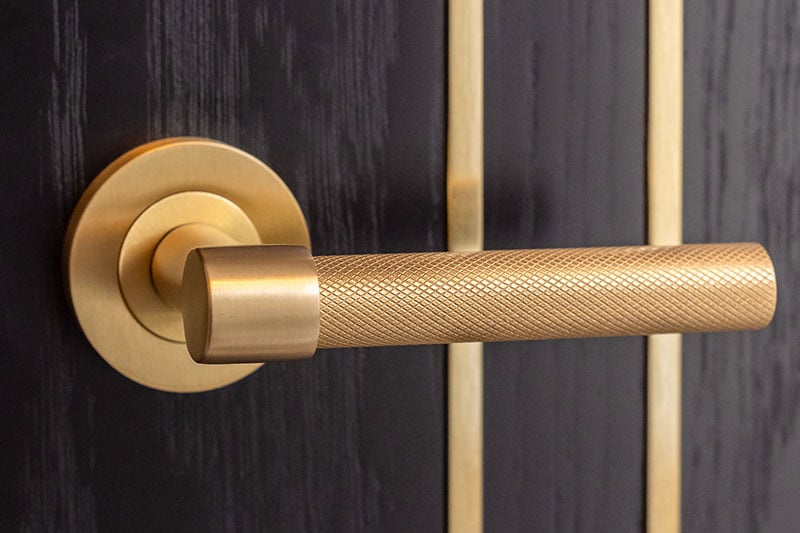
- Handles, whether fully concealed or designed to match other elements within the property
The right ironmongery ensures both functionality and design consistency.
Why Choose Denleigh for Bespoke Concealed Doors?
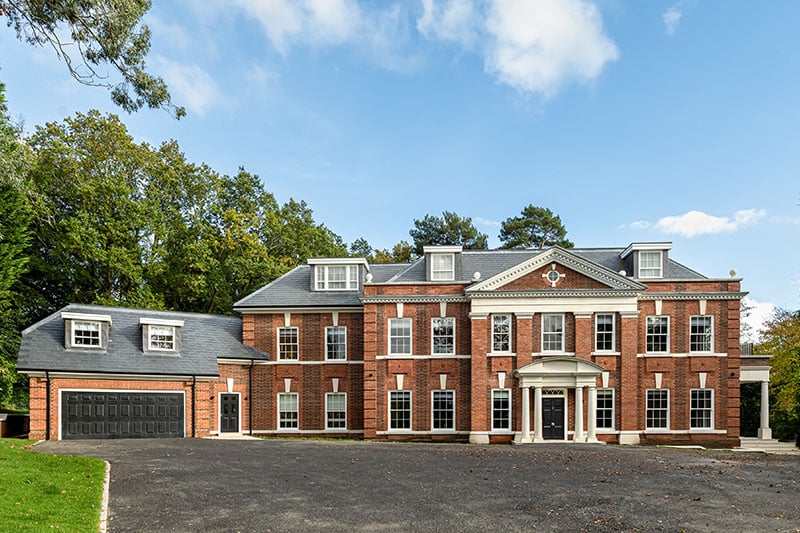
At Denleigh, we combine craftsmanship with advanced manufacturing to deliver concealed door systems that meet the highest standards.
- Fully bespoke solutions tailored to your project
- Precision-engineered systems for seamless integration
- Flexibility across modern and traditional designs
- Expertise in complex and high-end applications
Bespoke concealed jib doors give you the freedom to design without compromise. Whether you want a completely invisible door or a feature that subtly enhances your interior, the right system makes all the difference.
With careful specification and expert manufacturing, you can achieve a result that is both functional and visually striking.